Warm interiors
Use this direction when the room, maintenance expectations, and quote budget align with the stone profile.
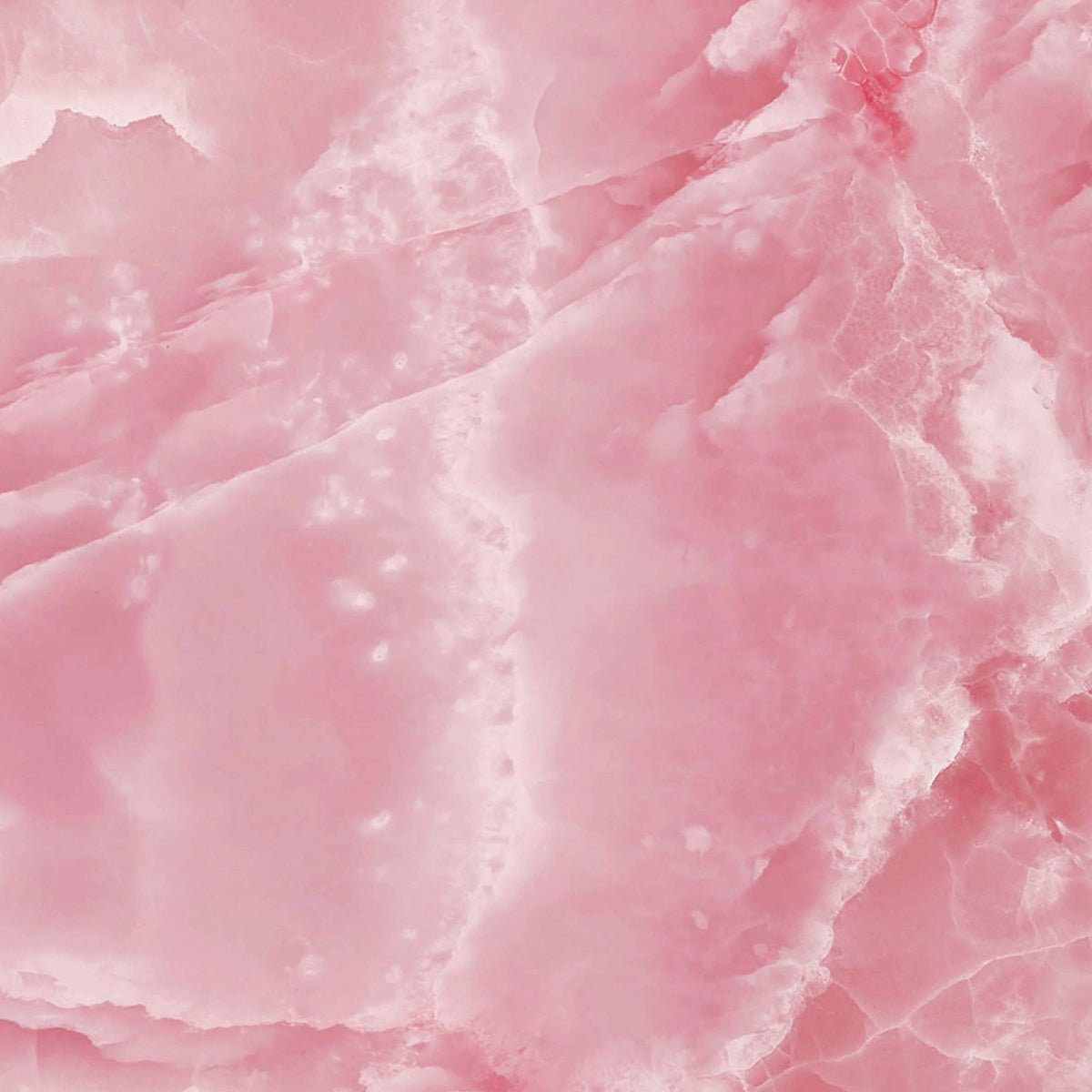
Travertine / Iran and Turkey
Warm red-brown travertine with architectural banding.
Material profile
This page gives designers and homeowners more than a swatch name. It explains performance, porosity, best use, caution notes, and similar materials before the sample request.
OriginIran and Turkey
DurabilityMedium; stronger as a design statement than a low-maintenance surface.
PorosityPorous; filled and sealed finishes should be discussed.
Sample statusAvailable by request.
Important cautionColour must be sampled against timber and flooring.
Best uses
Use this direction when the room, maintenance expectations, and quote budget align with the stone profile.
Use this direction when the room, maintenance expectations, and quote budget align with the stone profile.
Use this direction when the room, maintenance expectations, and quote budget align with the stone profile.
Applications
The right stone choice depends on scale, use intensity, finish, maintenance tolerance, and access planning.
Related pieces
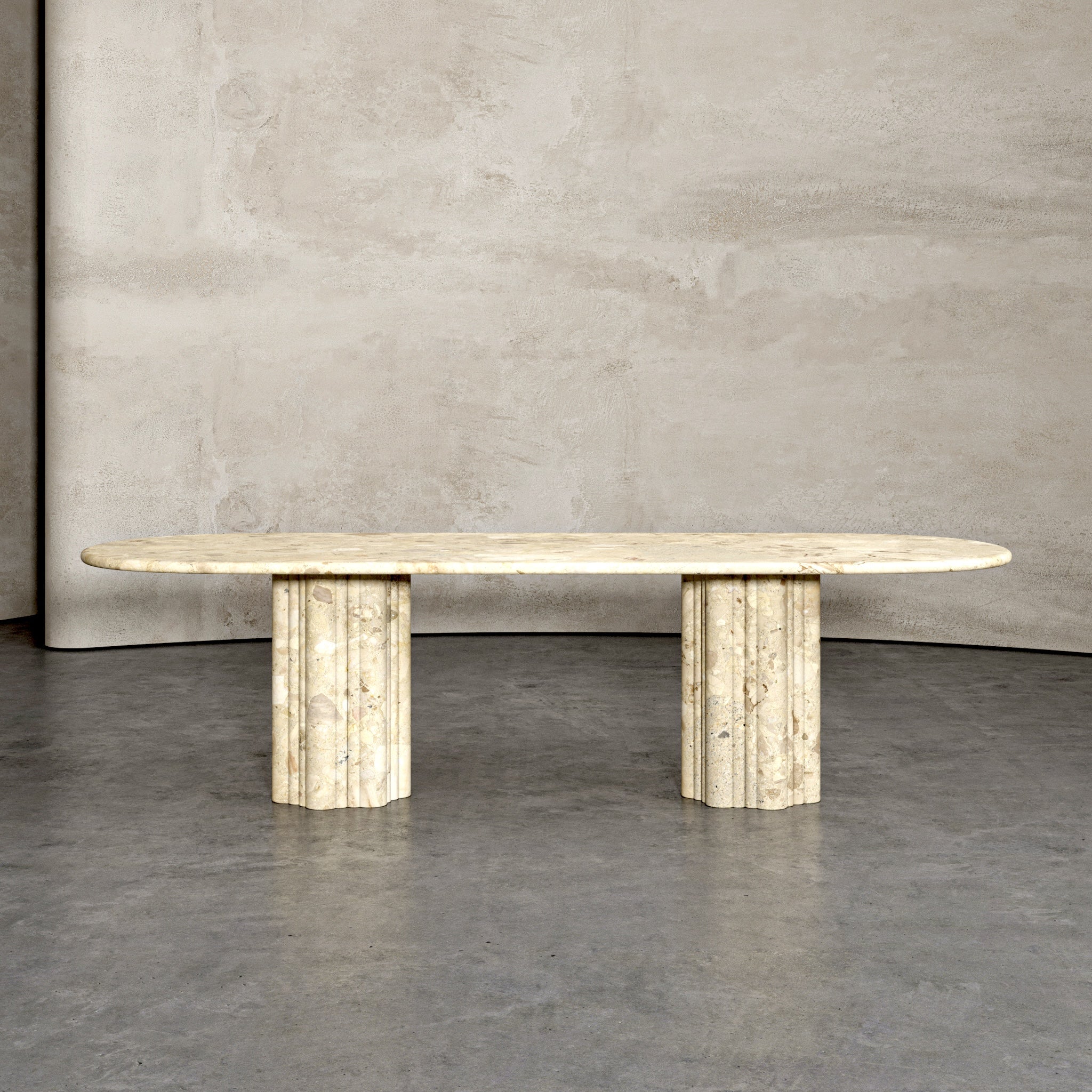
From $13,500 AUD
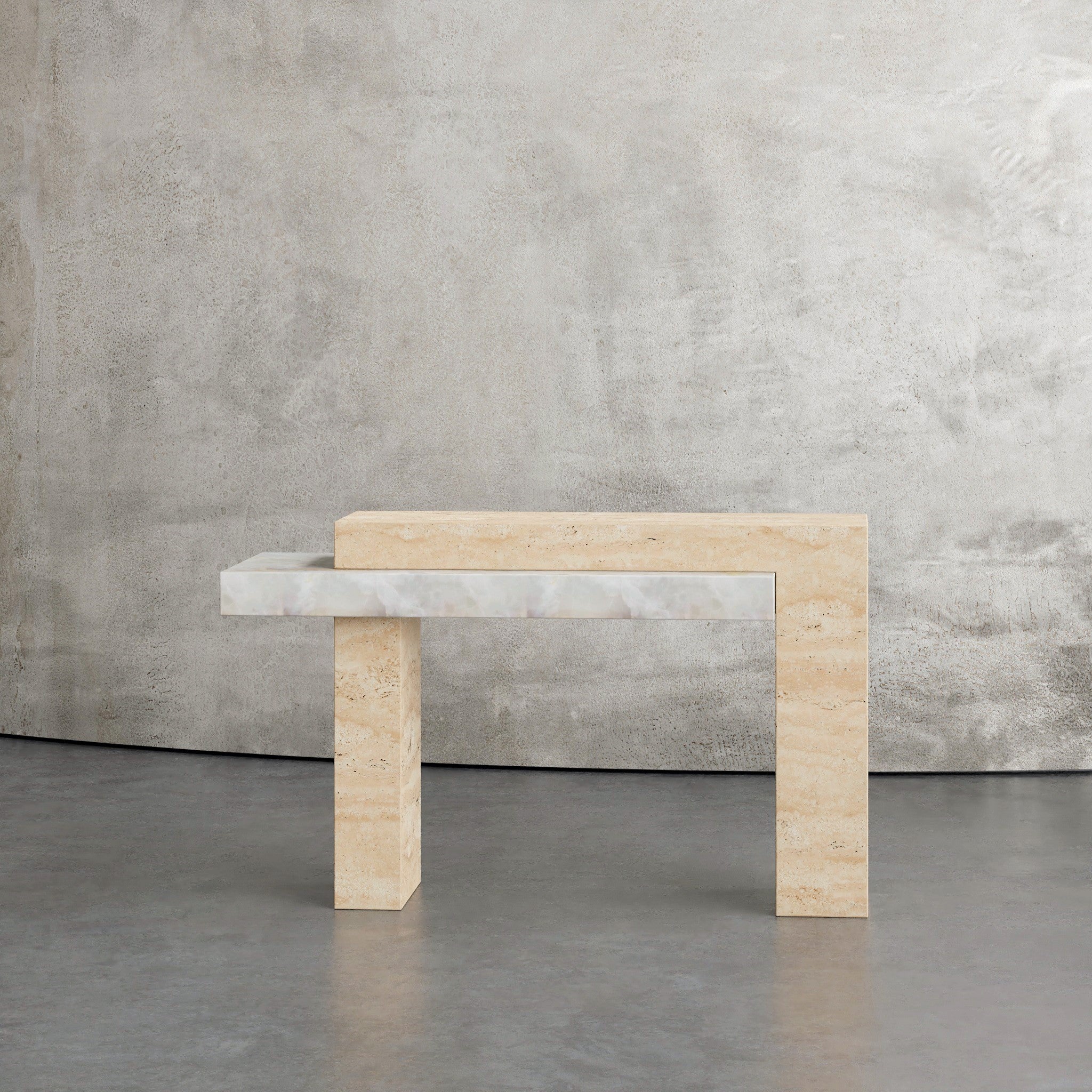
From $19,500 AUD
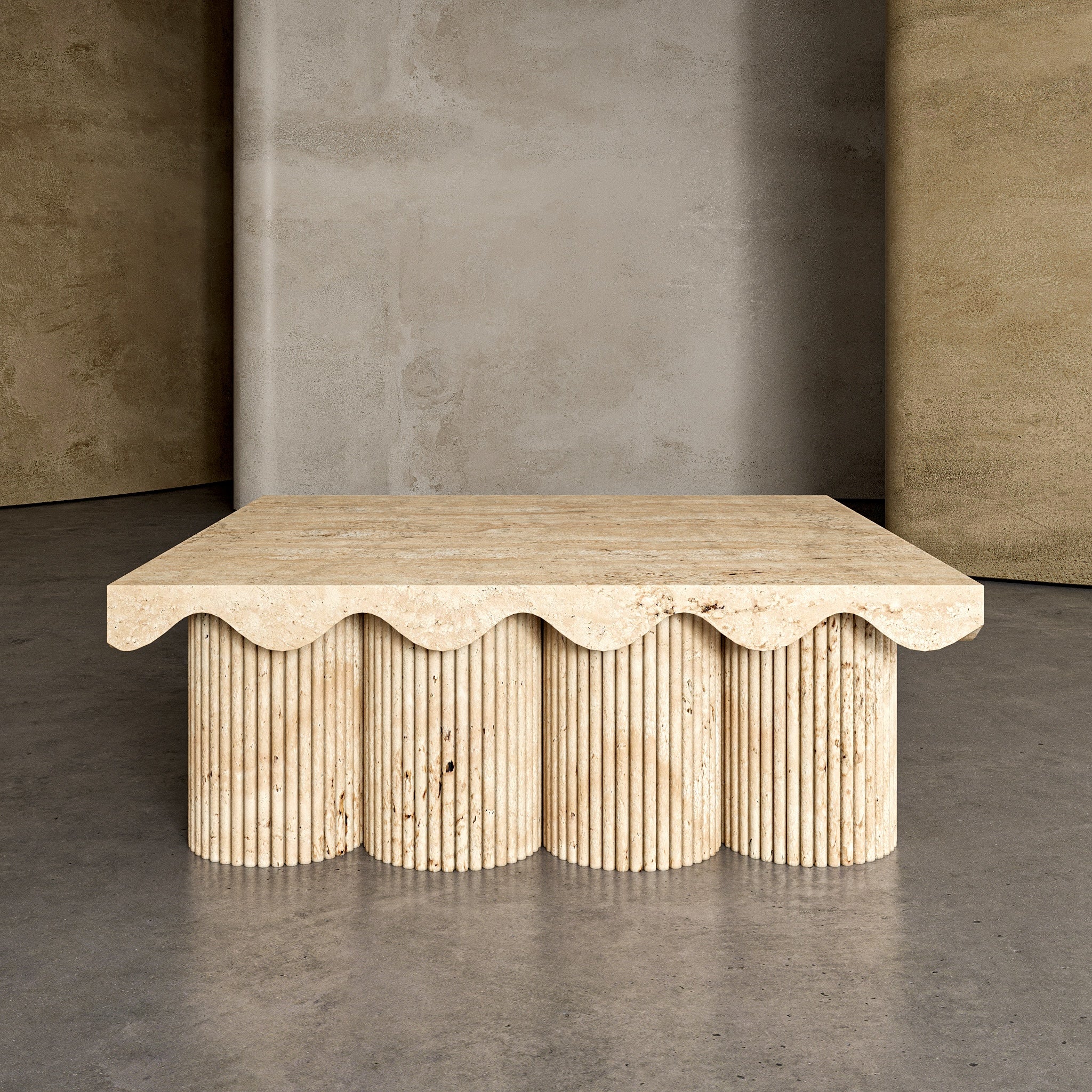
From $9,500 AUD
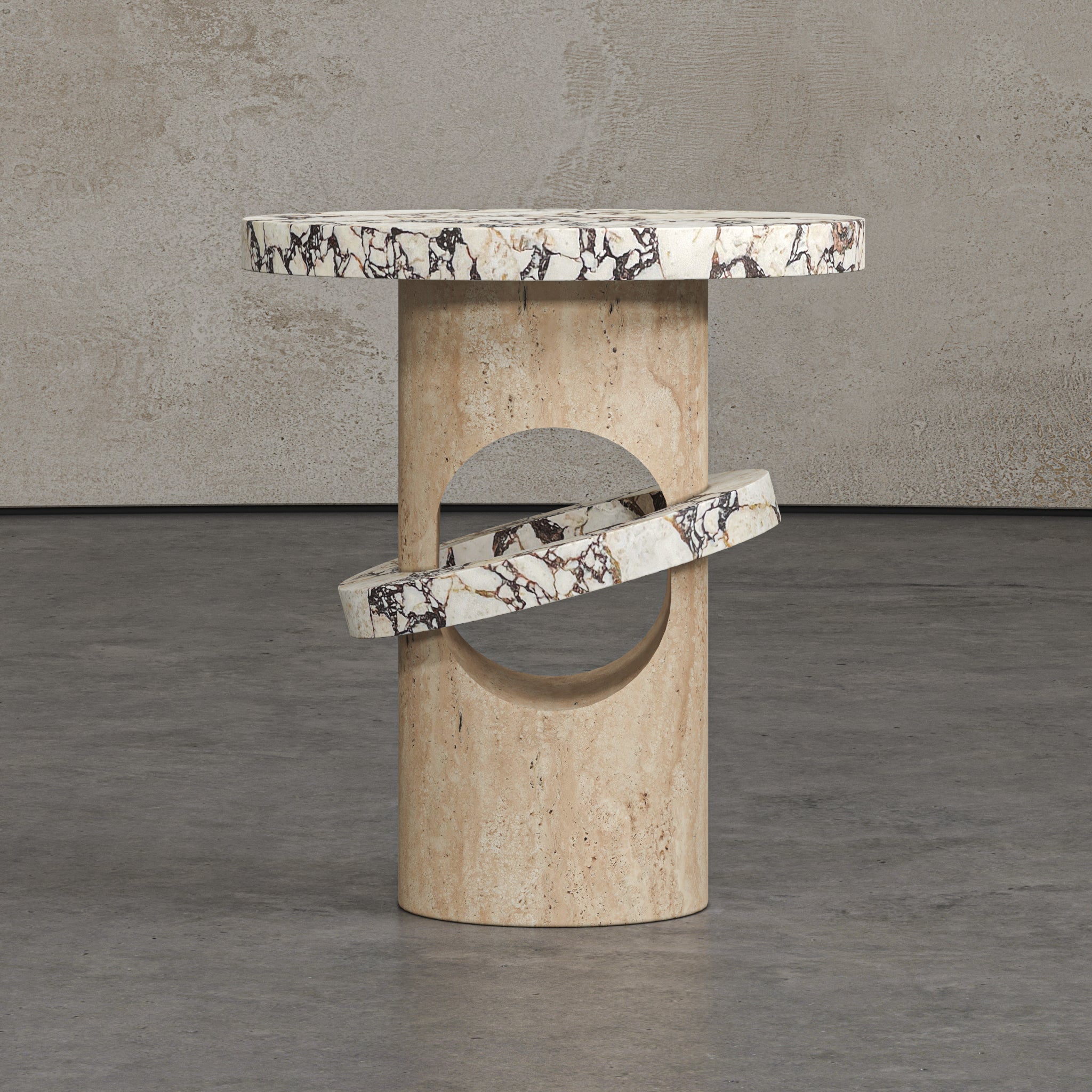
From $4,500 AUD
Similar stones
Availability, slab movement, and budget can change during quote. Similar stones keep a designer or homeowner moving without restarting the brief.
Questions
Filled travertine has pores treated for a smoother surface. Unfilled travertine keeps stronger natural texture but requires more care and clearer expectations.
Yes. Beige and white travertine suit many coastal, modernist, and warm-minimal Australian interiors.
Next step
Samples are a qualifying step for quote confidence, client approval, and stone variation expectations.